
 Business License

Steel Grating: Features, Applications and Complete Buying Guide for Industrial Projects
Steel Grating: Features, Applications and Complete Buying Guide for Industrial Projects
Introduction
In industrial construction, municipal engineering and heavy-duty infrastructure projects, engineers and project managers often face consistent pain points: insufficient load-bearing capacity, rapid corrosion in harsh environments, high installation costs, short service life and frequent maintenance. Traditional solid steel plates and ordinary floor panels struggle to balance strength, weight, drainage and cost.
Steel Grating provides a reliable, cost-effective solution to these challenges. As a high-performance structural metal product, Steel Bar Grating and Steel Grating Plate are widely used as Industrial Grating for platforms, walkways, drainage covers and stair treads. In this article, we explain what steel grating is, its core advantages, typical applications and how to select the right model for your project.
What Is Steel Grating?
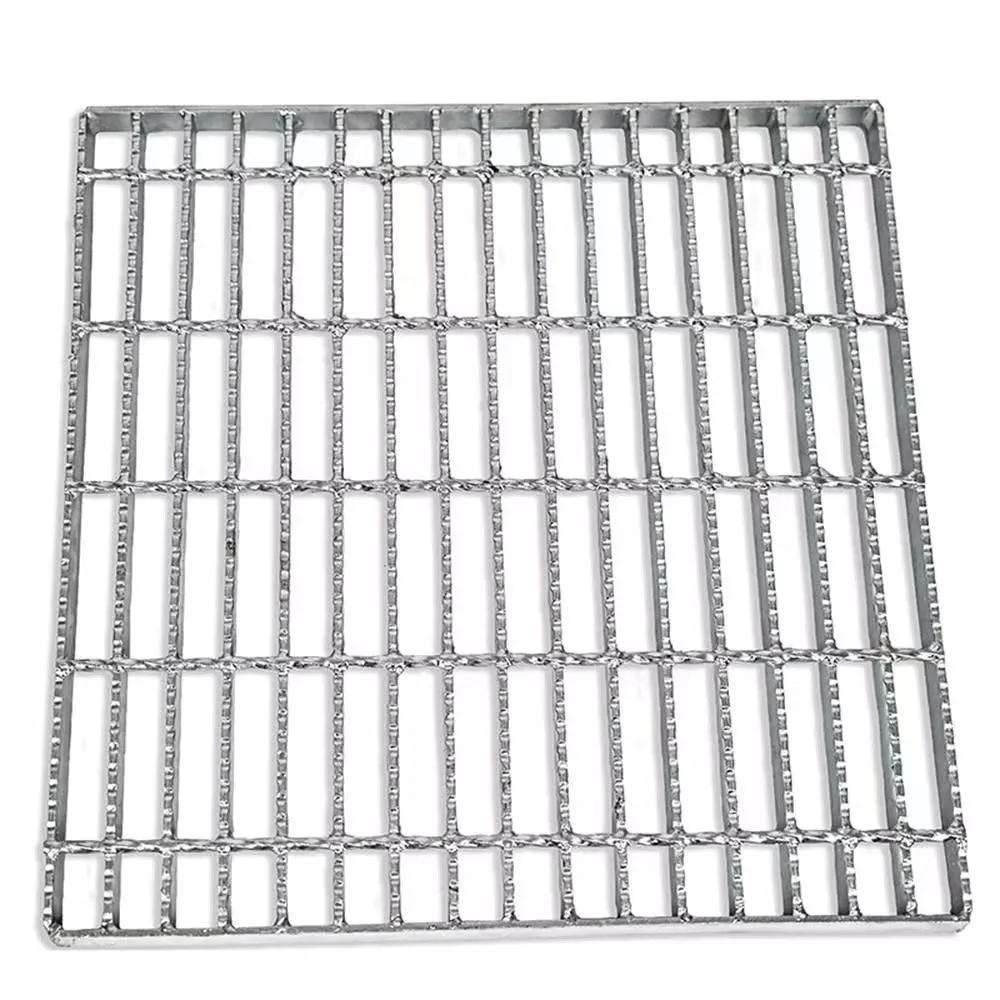
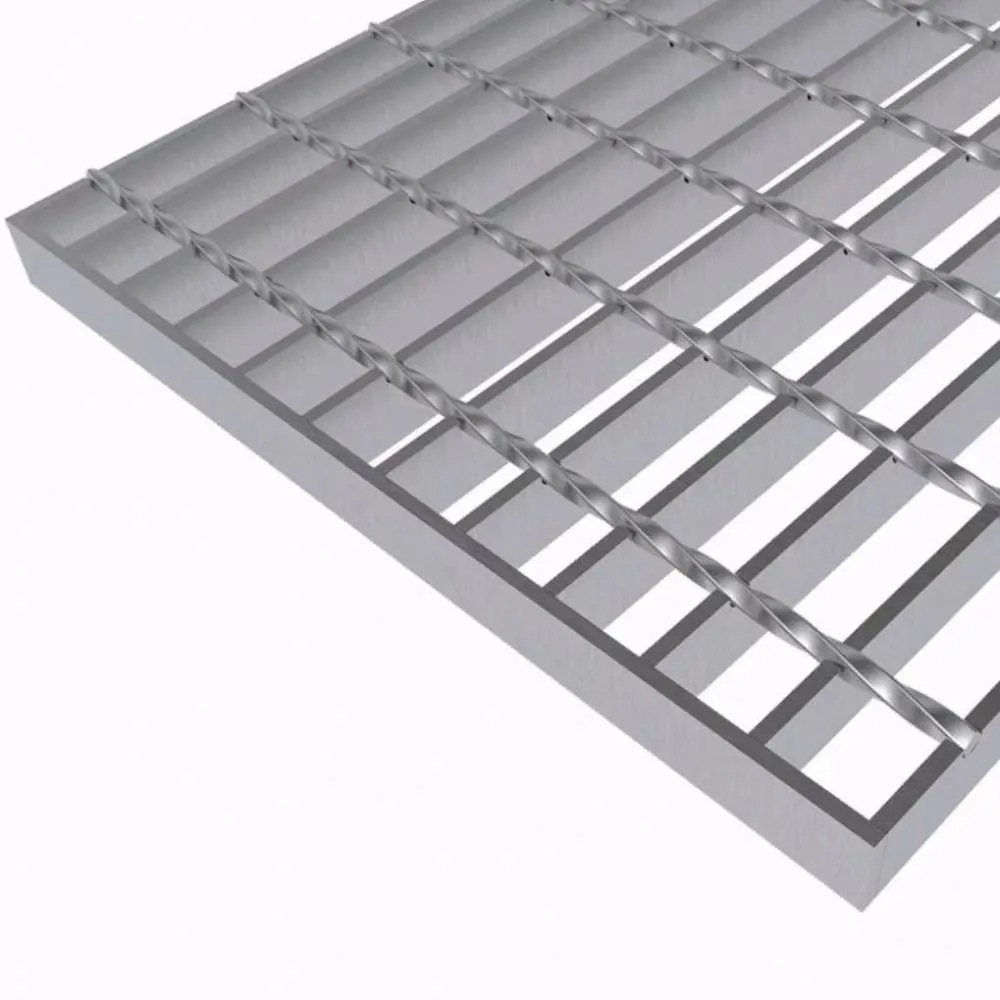
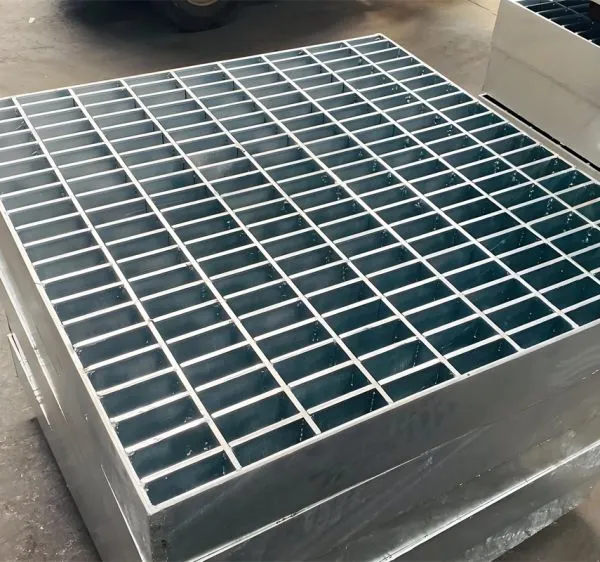
Steel Grating (also called Metal Grating) is an open-grid structural component made by combining load-bearing flat steel and cross bars (twisted square steel, round steel or flat steel) at fixed spacings, connected by pressure welding, press-locking or swage-locking technology.
Key Basics
- Materials: Carbon steel (Q235/A36), stainless steel 304/316L, aluminum alloy
- Structure: Orthogonal grid design for high strength-to-weight ratio
- Surface Treatment: Hot-dip galvanizing, electrostatic spraying, paint, natural oxidation
- Process: Pressure welded steel grating (most common for industry), press-locked grating, swage-locked grating
Core Advantages of Steel Grating
1. Exceptional Durability & Corrosion Resistance
Hot-dip galvanized Steel Grating offers strong anti-rust and anti-corrosion performance, ideal for outdoor, coastal, chemical and humid environments. Stainless steel versions deliver even longer service life with minimal maintenance.
2. High Strength & Light Weight
The open grid structure makes steel grating only 30%–50% the weight of solid steel plates while maintaining strong load capacity. This reduces foundation load and shipping costs.
3. Easy Installation & Low Maintenance
Modular panel design allows fast on-site assembly. The open grid allows rain, oil and debris to pass through, eliminating ponding and reducing cleaning and repair costs.
4. Slip Resistance & Safety
Optional serrated bearing bars improve traction in wet, oily or icy conditions, greatly enhancing workplace safety for workers and vehicles.
5. Cost-Effective Long-Term Solution
Long service life, low maintenance and high reusability make Steel Bar Grating more economical than many alternatives over the project life cycle.
Main Applications of Steel Grating
1. Industrial Sector
Widely used for factory operating platforms, stair treads, walkways, pump station floors and offshore platforms. Industrial Grating supports heavy machinery, forklifts and continuous foot traffic.
2. Construction & Municipal Engineering
Used as drainage trench covers, tree grates, parking lot flooring, plaza decking and bridge walkways. It provides reliable load support while enabling efficient drainage and heat dissipation.
3. New Energy Industry
Applied in solar power stations, wind turbine platforms and energy facilities. Its corrosion resistance and stability adapt to outdoor and coastal new energy projects.
4. Transportation & Port Facilities
Used in ports, docks, airports, railway stations and bridge inspection walkways. It withstands heavy loads, impact and harsh weather while ensuring safe passage.
How to Choose the Right Steel Grating
To select the best Steel Grating Plate for your project, focus on four key factors:
1. Bearing Bar Specification
Choose height and thickness based on load requirements. Common sizes: 25×3mm, 30×3mm, 40×5mm, 50×5mm. Heavier loads need thicker and higher bearing bars.
2. Spacing of Bearing Bars & Cross Bars
- Bearing bar spacing: 30mm (heavy duty), 40mm (general industry), 60mm (light use)
- Cross bar spacing: commonly 50mm or 100mm
3. Material & Surface Treatment
- Carbon steel + hot-dip galvanizing: cost-effective, general outdoor use
- Stainless steel 304/316L: coastal, chemical, food or high-corrosion areas
4. Surface Type
- Smooth surface: general applications
- Serrated surface: wet, oily, slippery environments
Conclusion & Call to Action
Steel Grating is a versatile, high-strength and cost-efficient solution for industrial, municipal, energy and infrastructure projects. Whether you need Steel Bar Grating for platforms, Metal Grating for drainage or custom Industrial Grating, selecting the right specification directly improves safety, reduces costs and extends service life.
If you need help choosing the right steel grating model, require customized sizes, want detailed product parameters or a project quotation, our technical and sales team is ready to support you. Contact us today to get a free solution and competitive price for your next project.
Recently Posted
-
Barbed Wire Tensile Strength & Specification Standard: B2B Buyer Essential Guide
April 30, 2026Barbed Wire Tensile Strength & Specification Standard: B2B Buyer Essential Guide For B2B buyers engaged in fencing engine Read More
 -
PVC Coated Barbed Wire: Corrosion-Resistant Solution for Harsh Environments
April 30, 2026PVC Coated Barbed Wire: Corrosion-Resistant Solution for Harsh Environments For coastal areas, chemical industrial parks and Read More
 -
Barbed Wire Fence: Complete Application and Specification Buying Guide
April 30, 2026Barbed Wire Fence: Complete Application and Specification Buying Guide Barbed Wire Fence is the most widely used isolation sy Read More
 -
Galvanized Barbed Wire: Why It Is the First Choice for Outdoor Security Fencing
April 30, 2026Galvanized Barbed Wire: Why It Is the First Choice for Outdoor Security Fencing In outdoor perimeter engineering, corrosion a Read More

Contact Us
Recommended Products
-
 Stainless Steel Wire Mesh With Technical Support for Custom ProjectsNegotiableMOQ: 500 Square Meters
 -
Welded Mesh Fence Panel With Anti-Climb Design for High-Security Perimeter ProtectionNegotiableMOQ: 100 Square Meters
-
Chain Link Fence for Agricultural Livestock Enclosure and ProtectionNegotiableMOQ: 100 Square Meters
-
Hot Dipped Galvanized Cattle Fence Sheep Goat Horse Field FenceNegotiableMOQ: 50 Rolls
-
PVC-Coated Gabion Boxes 1m x 1m x 1m for Retaining WallsNegotiableMOQ: 100 Square Meters
-
Durable Hexagonal Wire Mesh Netting With Hexagon Holes for Poultry FarmingUS$ 6.99 - 8.99MOQ: 500 Rolls
-
Galvanized Steel Fence Panels With 2.5mm Wire Diameter for Industrial SecurityNegotiableMOQ: 100 Square Meters
-
Silver SS Woven Wire Mesh 20-200 Mesh Count for High Anti-corrosion UseNegotiableMOQ: 1000 Square Meters
-
Eco-Friendly Powder Coated 358 Anti Climb Fence for High-Security Perimeter ProtectionNegotiableMOQ: 500 Square Meters
-
Modern Black Security Picket Fence - Zinc Steel Wrought Iron Flat Top DesignNegotiableMOQ: 500 Meters
-
Stainless Steel Perforated Metal Mesh Round Hole Punching Mesh for IndustrialNegotiableMOQ: 500 Square Meters
-
High Tensile Steel Double Twist Barbed Wire Roll for Anti-Climb Industrial and Residential SecurityNegotiableMOQ: 100 Rolls
-
Hot Dipped Galvanized Steel Grating Anti-Rust Corrosion Resistant for Outdoor UseNegotiableMOQ: 500 Square Meters
-
Steel Barbed Wire Coil Double Twisted Galvanized With Cross Security TypeNegotiableMOQ: 500 Meters
-
Stainless Steel Wire Mesh for Oil and Gas Industry With High Temperature ResistanceNegotiableMOQ: 100 Square Meters
-
PVC Coated Double Wire Mesh Fence 0.63-3.0m Height for Industrial UseNegotiableMOQ: 500 Square Meters
-
PVC Coated Chain Link Fence 1.8m Height x 30m Roll for Perimeter ProtectionNegotiableMOQ: 100 Square Meters
-
Interlocking Canada Temporary Fence Panels With 1.5m WidthNegotiableMOQ: 100 Square Meters
-
Galvanized Chain Link Fence With Tension Bars for Enhanced StabilityNegotiableMOQ: 59 Square Meters
-
High-Security Razor Wire Barrier - 12V Electric Fence CompatibleNegotiableMOQ: 500 Meters