
 Business License

Gabion: Features, Applications and Complete Buying Guide for Engineering Projects
Gabion: Features, Applications and Complete Buying Guide for Engineering Projects
H2: Introduction
In civil engineering, landscaping, and infrastructure projects, engineers and contractors often face three critical challenges: long-term structural stability, ecological compatibility, and cost efficiency. Rigid structures like concrete can crack, drain poorly, and harm natural habitats. Traditional retaining solutions require heavy maintenance and carry high lifecycle costs.
Gabion provides a proven, flexible, and economical solution. A gabion structure delivers reliable soil stabilization, erosion control, and retaining support while supporting natural drainage and vegetation growth. In this article, we explain gabion basics, core advantages, real‑world applications, and key buying criteria to help you select the right gabion basket and gabion box for your project.
H2: What Is Gabion?
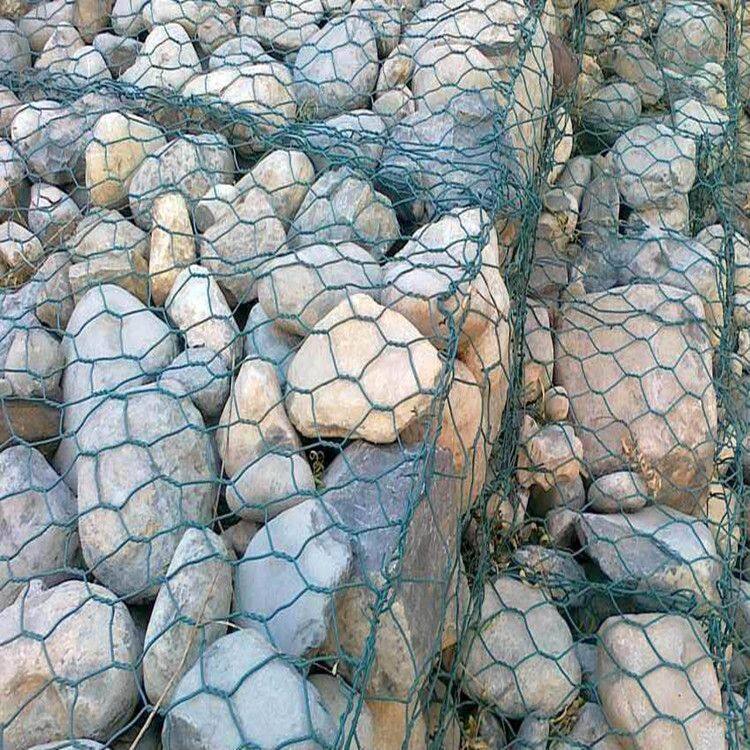
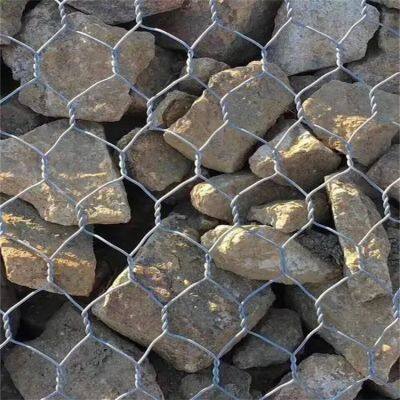
Gabion refers to rigid, rectangular wire mesh containers—commonly called gabion baskets or gabion boxes—filled with stone, rock, or concrete blocks to form stable, gravity‑retaining structures.
H3: Materials & Structure
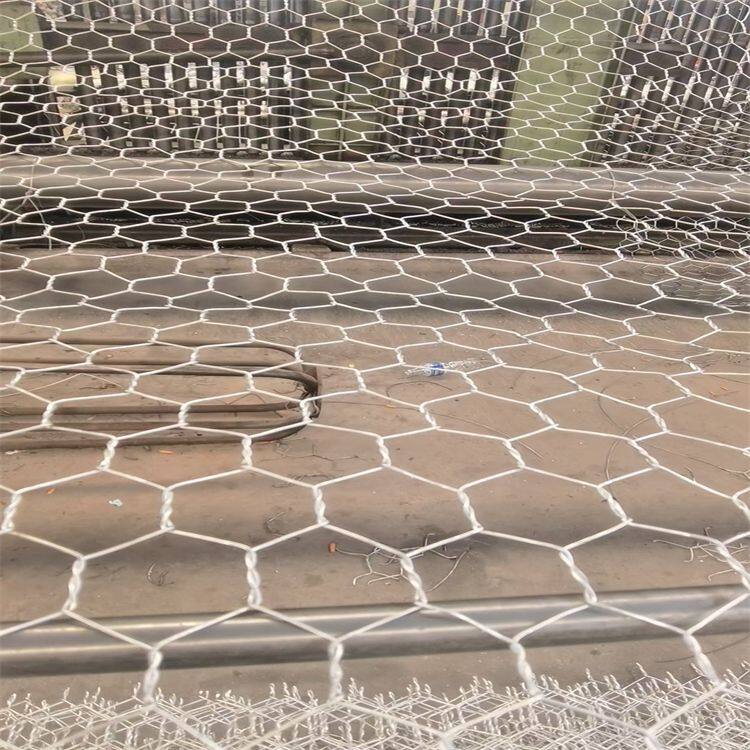
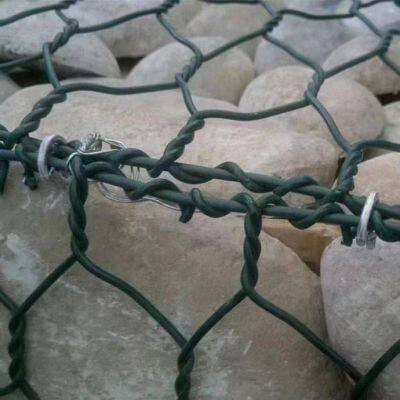
Most industrial gabion uses heavy‑duty galvanized steel wire, with options for PVC coating or Galfan alloy for extreme corrosion resistance. The standard structure is double‑twisted hexagonal mesh, which remains stable even if a single wire is broken. Internal diaphragms add strength, and selvedge edges reinforce safety and durability.
This modular, foldable design simplifies transport, storage, and on‑site assembly.
H2: Core Advantages of Gabion
H3: High Durability & Corrosion Resistance
Galvanized gabion offers excellent rust and weather resistance, performing reliably in moist, coastal, or high‑alkaline environments. Properly installed, gabion structures last 30–50 years with minimal upkeep.
H3: Flexible & High Strength
Gabion walls flex gently with ground settlement or seismic activity, avoiding cracks common in rigid concrete. The mesh and stone interlock to distribute load evenly, making gabion ideal for gabion for retaining wall and slope stabilization.
H3: Superior Permeability & Drainage
Open mesh allows water to pass through, lowering hydrostatic pressure and extending structure life. This eliminates water buildup behind retaining walls and reduces flood risk.
H3: Cost‑Effective & Low Maintenance
Gabion uses local stone, cuts material and transportation costs, and needs no heavy machinery or complex formwork. Once installed, it requires almost no cleaning or repair.
H3: Eco‑Friendly & Aesthetic
Vegetation can root between stones, blending naturally into landscapes. Gabion supports ecological restoration while providing rugged structural performance.
H2: Main Applications of Gabion
H3: Hydraulic & Water Conservancy Engineering
Gabion is widely used for riverbank protection, dam reinforcement, flood control, and shoreline stabilization. It resists water scouring and allows natural sediment deposition, protecting waterways.
H3: Transportation Engineering
Gabion walls stabilize road and railway slopes, prevent landslides, and support bridge abutments. They withstand vibration and ground movement better than rigid structures.
H3: Ecological Restoration & Slope Management
Gabion repairs damaged mountains, controls erosion, and aids mine re‑vegetation. Its permeability supports plant growth for eco‑friendly land recovery.
H3: Landscape & Architectural Design
Gabion creates decorative retaining walls, outdoor seating, garden boundaries, and sound barriers. It combines industrial strength with natural aesthetics for commercial and residential spaces.
H2: Key Buying Points for Gabion
To choose reliable gabion basket and gabion box products, focus on these specifications:
H3: 1. Wire Diameter
- Light duty: 2.0–2.7 mm (landscaping, low walls)
- Standard: 2.7–3.0 mm (general retaining, slope protection)
- Heavy duty: 3.0–4.0 mm (high‑load gabion wall, hydraulic projects)
H3: 2. Mesh Opening & Structure
Double‑twisted hexagonal mesh is industry standard for flexibility and strength. Avoid cheap single‑twisted or poorly welded mesh.
H3: 3. Surface Coating
- Electro galvanized: basic indoor/short‑term use
- Hot‑dip galvanized gabion: most common for outdoor engineering
- PVC / Galfan: coastal, high‑corrosion areas
H3: 4. Size & Assembly
Standard sizes: 1×1×1m, 2×1×1m, 3×1×1m. Custom sizes available. Ensure internal diaphragms and sturdy lacing wire for safe stacking.
H3: 5. Certification & Quality
Select products meeting EN 10223‑3 or national standards. Verify wire tensile strength, coating weight, and workmanship.
H2: Conclusion & Call to Action
Gabion is a versatile, durable, and cost‑effective solution for retaining walls, erosion control, hydraulic engineering, ecological restoration, and modern landscaping. Whether you need a standard gabion box or custom gabion for retaining wall, selecting the right specifications ensures safety, longevity, and value.
If you’re planning an engineering, construction, or landscaping project, contact our sales team today to discuss custom gabion solutions, get detailed specifications, and request a free quote. We provide professional gabion products and technical support for projects worldwide.
Recently Posted
-
Perforated Mesh: Performance, Applications and Professional Buying Guide
April 21, 2026Perforated Mesh: Performance, Applications and Professional Buying Guide Perforated Mesh combines sculptural transparency, gr Read More
 -
Custom Perforated Metal: Tailored Solutions for Architecture and Industry
April 21, 2026Custom Perforated Metal: Tailored Solutions for Architecture and Industry Custom Perforated Metal delivers sculptural design, Read More
 -
Perforated Plate: Durability, Customization and Multi-Industry Applications
April 21, 2026Perforated Plate: Durability, Customization and Multi-Industry Applications Perforated Plate offers sculptural transparency, Read More
 -
The Complete Guide to Perforated Sheet Metal: Benefits and Selection Tips
April 21, 2026The Complete Guide to Perforated Sheet Metal: Benefits and Selection Tips Perforated Sheet Metal combines sculptural permeabi Read More

Contact Us
Recommended Products
-
 Welded Mesh Fence Panel With Anti-Climb Design for High-Security Perimeter ProtectionNegotiableMOQ: 100 Square Meters
 -
Chain Link Fence for Agricultural Livestock Enclosure and ProtectionNegotiableMOQ: 100 Square Meters
-
PVC-Coated Gabion Boxes 1m x 1m x 1m for Retaining WallsNegotiableMOQ: 100 Square Meters
-
Galvanized Steel Fence Panels With 2.5mm Wire Diameter for Industrial SecurityNegotiableMOQ: 100 Square Meters
-
PVC Coated Chain Link Fence 1.8m Height x 30m Roll for Perimeter ProtectionNegotiableMOQ: 100 Square Meters
-
Eco-Friendly Powder Coated 358 Anti Climb Fence for High-Security Perimeter ProtectionNegotiableMOQ: 500 Square Meters
-
Galvanized Steel Gabion Baskets With 2.7mm Wire Diameter for Erosion ControlNegotiableMOQ: 100 Square Meters
-
High Security 358 Anti Climb Fence for Airport and Border Control ApplicationsNegotiableMOQ: 500 Square Meters
-
Aluminum Perforated Mesh Sheet 0.8mm Thickness for Ventilation SystemsNegotiableMOQ: 100 Square Meters
-
Easily Assembled 358 Anti Climb Fence for Prison and Military Facility SecurityNegotiableMOQ: 500 Square Meters
-
358 Anti Climb Fence With Galvanized Steel Mesh and 5mm Wire DiameterNegotiableMOQ: 500 Square Meters
-
358 Anti-climb Fence High Security Anti-cut Welded Wire Mesh Fence PanelNegotiableMOQ: 500 Square Meters
-
Industrial 358 Anti Climb Fence With 3-5mm Anti Climb and Anti Cut Mesh FenceNegotiableMOQ: 500 Square Meters
-
Powder Coated Metal Fence 358 Hot Dipped Galvanized Fencing PVC Coated Anti-Alimb FenceNegotiableMOQ: 500 Square Meters
-
Double Wire Mesh Fence With Reinforced Edges for Structural IntegrityNegotiableMOQ: 500 Square Meters
-
Steel Barbed Wire Coil Double Twisted Galvanized With Cross Security TypeNegotiableMOQ: 500 Meters
-
PVC Coated Double Wire Mesh Fence 0.63-3.0m Height for Industrial UseNegotiableMOQ: 500 Square Meters
-
Stainless Steel Wire Mesh for Oil and Gas Industry With High Temperature ResistanceNegotiableMOQ: 100 Square Meters
-
Interlocking Canada Temporary Fence Panels With 1.5m WidthNegotiableMOQ: 100 Square Meters
-
Double Wire Mesh Fence With Anti-Climb Design for Enhanced SafetyNegotiableMOQ: 500 Square Meters