
 Business License

Expanded Metal Mesh: Features, Applications and Selection Guide
Expanded Metal Mesh: Features, Applications and Selection Guide
In construction, infrastructure and industrial production, enterprises are constantly seeking solutions that can improve structural safety, reduce maintenance costs and support sustainable development. Expanded Metal Mesh, as a high-strength, low-consumption and long-life metal mesh product, effectively solves the pain points of traditional materials such as easy damage, high maintenance and poor environmental adaptability. This article will comprehensively introduce its core characteristics, advantages, application scenarios and professional selection points to help you make accurate decisions for engineering and procurement.
What Is Expanded Metal Mesh?
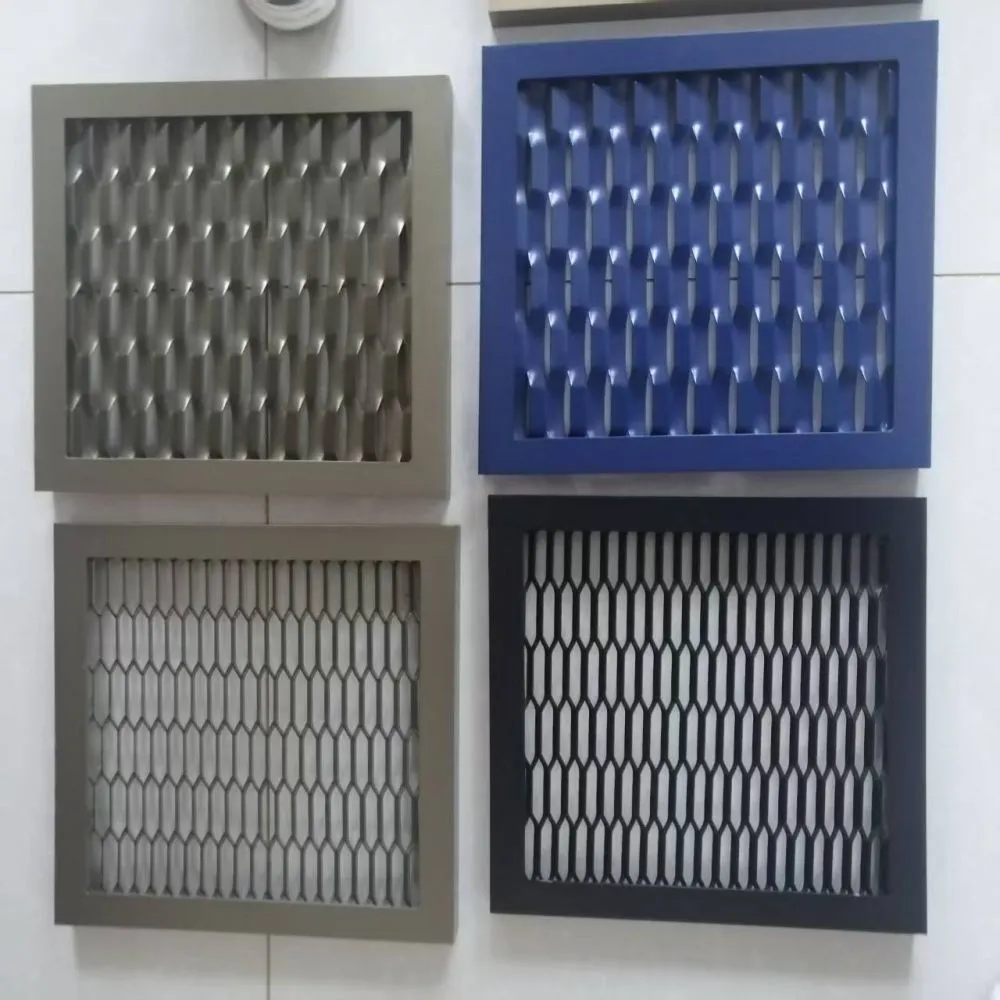
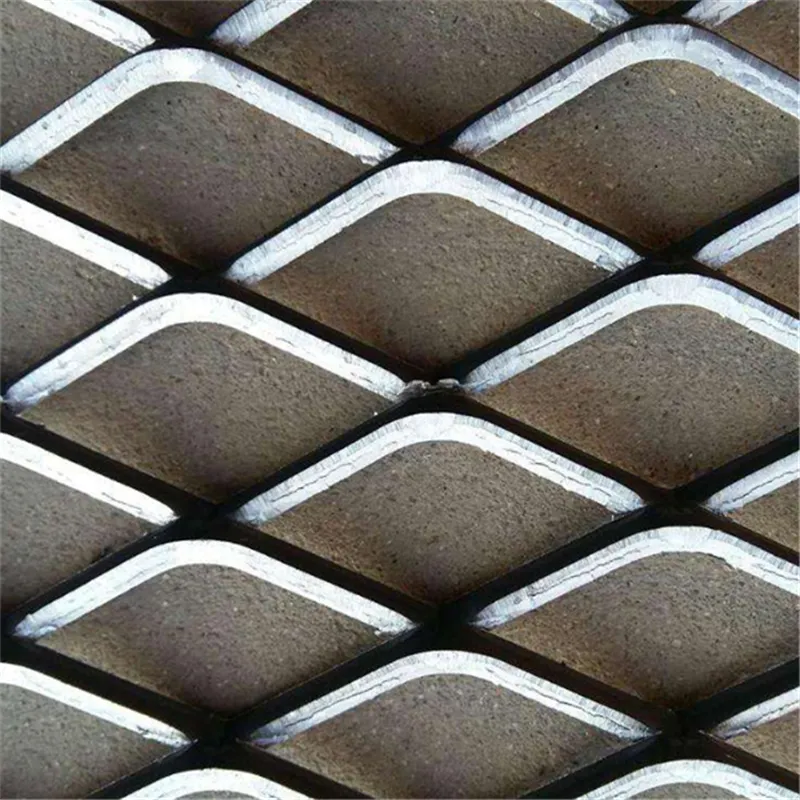
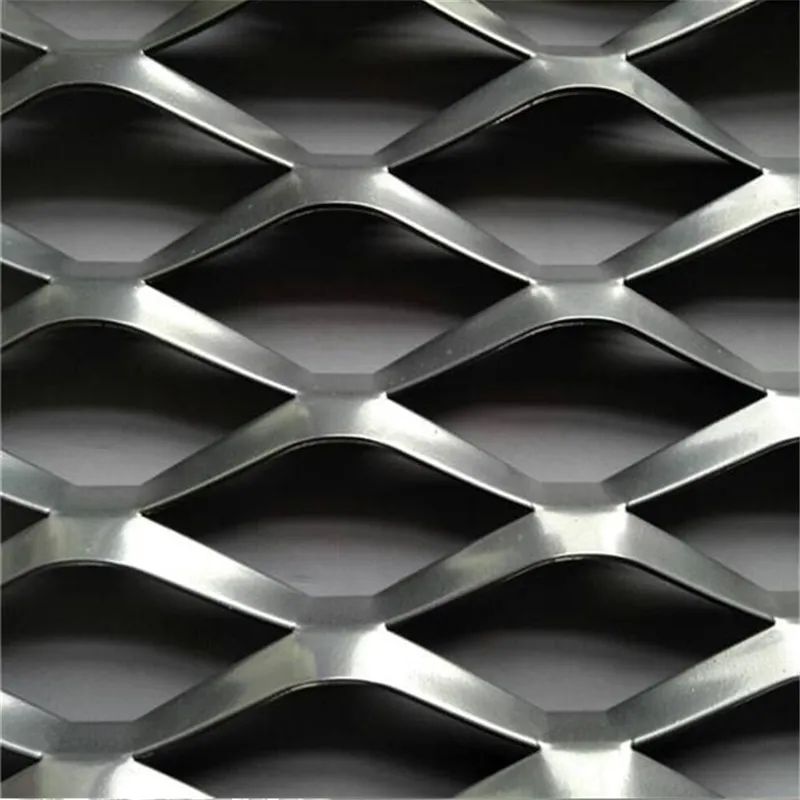
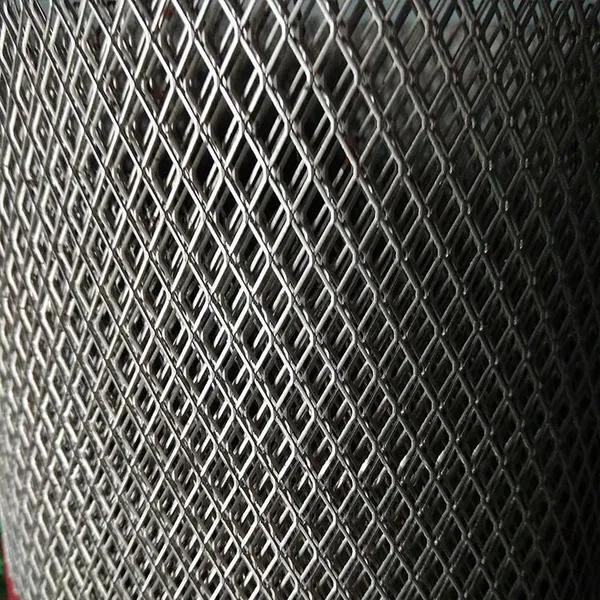
Expanded Metal Mesh is a metal product formed by precision slitting and stretching of the whole metal sheet, forming a regular diamond or square hole structure without welding connection. It belongs to Sheet Metal Mesh, which retains the integrity of the metal sheet while achieving lightweight and high ventilation.
Common materials include low carbon steel, stainless steel 304/316L, aluminum alloy, galvanized sheet, etc. The product is divided into standard expanded and flattened types, with controllable aperture, thickness and opening rate, and can be customized according to project requirements.
Core Advantages of Expanded Metal Mesh
High Strength and Rigidity
As a kind of Steel Mesh formed by one-piece stretching, Expanded Metal has no solder joints and no weak links, with excellent tensile and compressive capacity, and high strength-to-weight ratio, which is suitable for load-bearing and protective scenarios.
Anti-slip and Load-bearing Performance
The raised or flattened surface structure provides stable friction, and the uniform force design ensures excellent load-bearing performance, which is widely used in platforms, walkways and stair treads.
Weather Resistance and Durability
It has strong resistance to high temperature, fire, humidity and ultraviolet rays. After surface treatment, it can resist corrosion for a long time in outdoor or harsh environments, with long service life and low maintenance cost.
Environmental Protection and Economy
The production process has almost no waste, which conforms to the green manufacturing standard. At the same time, it reduces material waste and replacement frequency, and reduces the overall cost of the project.
Main Application Fields
Construction and Engineering
Architectural Expanded Metal is used for building facades, sunshade panels, ceiling, partition walls, etc., taking into account aesthetics, ventilation and safety protection.
Municipal and Transportation
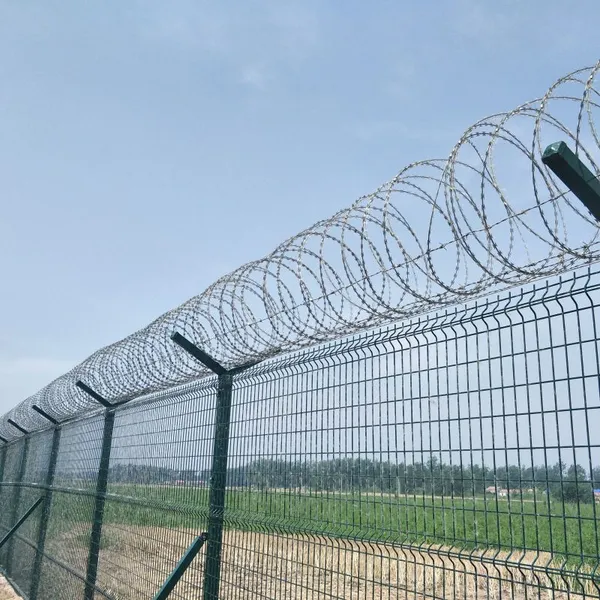
Applied to road guardrails, bridge protection nets, drainage ditch covers, railway isolation, airport enclosures, etc., with stable performance and long service life.
Industrial and Manufacturing
Used for mechanical safety guards, filtration systems, conveyor meshes, industrial platforms, cabinet protection, etc., to improve production safety and equipment stability.
Agriculture and Breeding
Suitable for livestock fences, poultry cages, crop support nets, irrigation filters, etc., with corrosion resistance and easy cleaning characteristics.
Key Points for Selecting Expanded Metal Mesh
Material Selection
Carbon steel is cost-effective; stainless steel is used in strong corrosion environments; aluminum alloy is light and beautiful, suitable for architectural decoration.
Thickness and Aperture
Thickness determines load-bearing capacity, generally 1–6 mm; aperture affects ventilation, visibility and protection effect, and is selected according to usage scenarios.
Surface Treatment
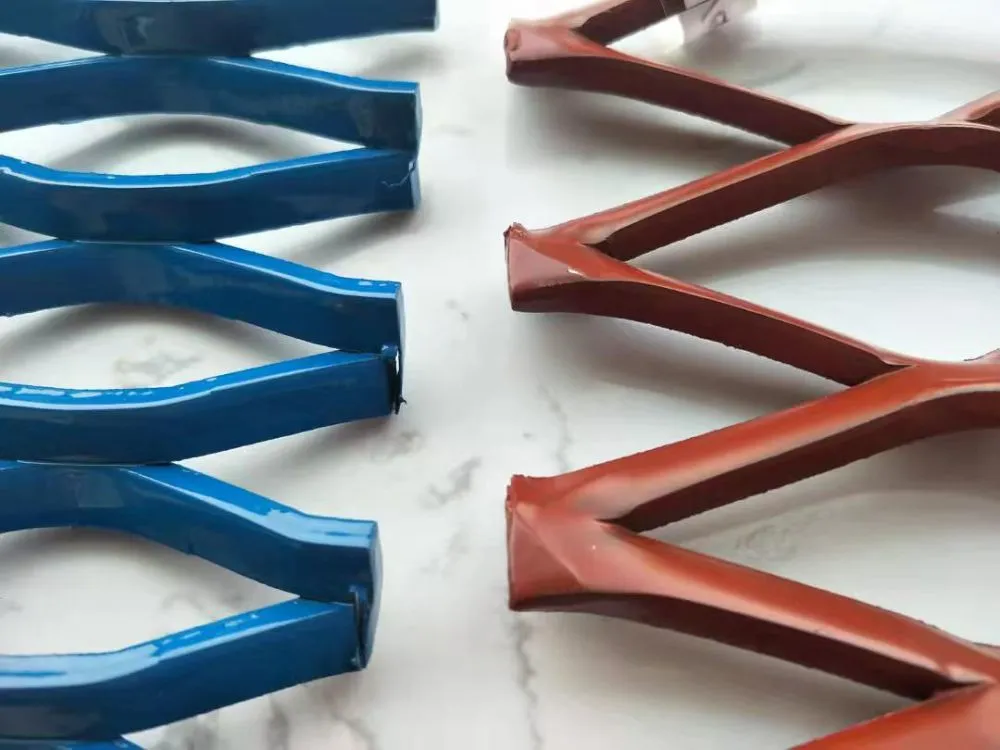
Hot-dip galvanizing, electro-galvanizing, powder coating, anodizing, etc., can improve weather resistance and service life.
Size and Customization
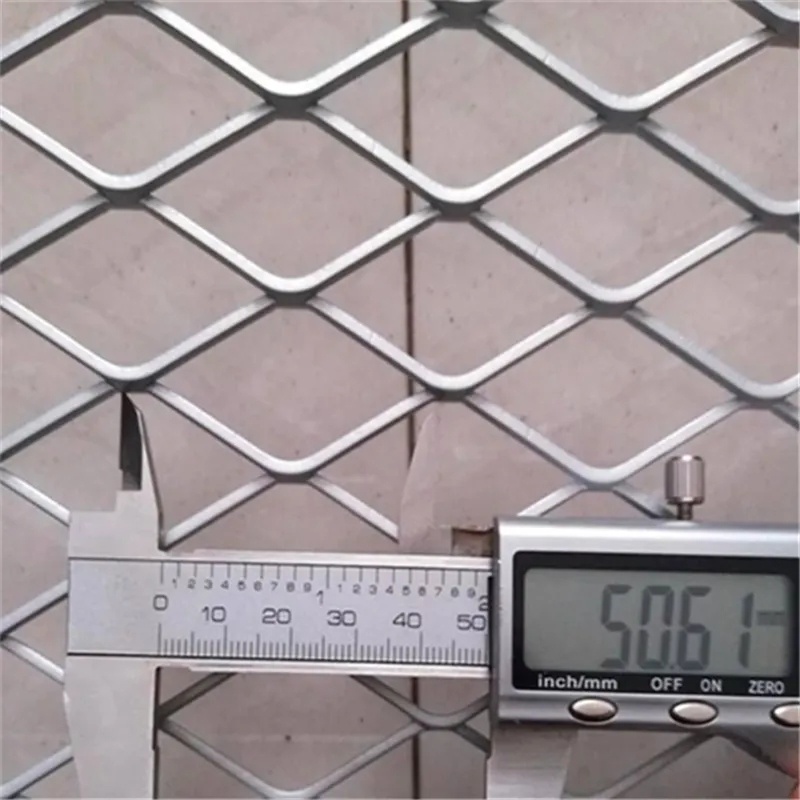
Confirm SWD (short diamond diameter), LWD (long diamond diameter), sheet size, edge treatment and installation methods to match engineering design.
Conclusion
Expanded Metal Mesh integrates high strength, durability, versatility and environmental protection, and is widely used in many fields. Choosing the right specification can significantly improve project quality and reduce long-term costs.
Contact our professional team to provide customized solutions, parameter consultation and exclusive quotation according to your application scenarios and needs.
Recently Posted
-
Barbed Wire Tensile Strength & Specification Standard: B2B Buyer Essential Guide
April 30, 2026Barbed Wire Tensile Strength & Specification Standard: B2B Buyer Essential Guide For B2B buyers engaged in fencing engine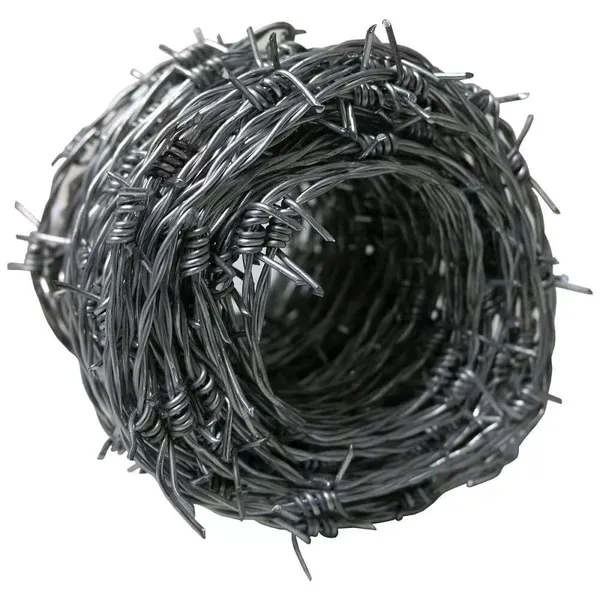 Read More
 -
PVC Coated Barbed Wire: Corrosion-Resistant Solution for Harsh Environments
April 30, 2026PVC Coated Barbed Wire: Corrosion-Resistant Solution for Harsh Environments For coastal areas, chemical industrial parks and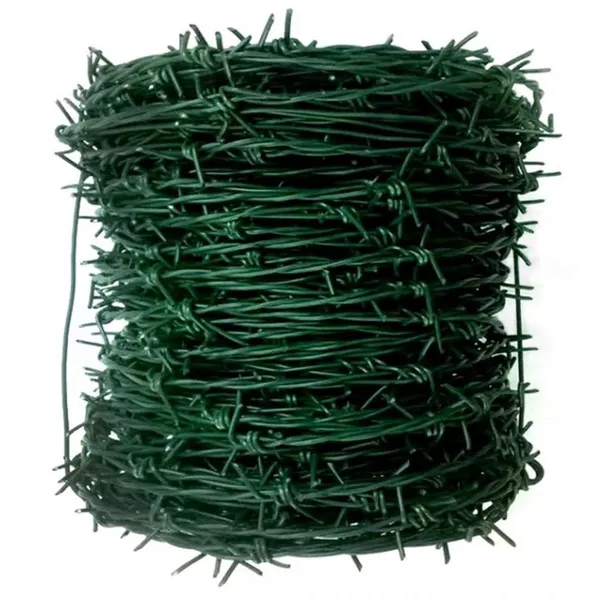 Read More
 -
Barbed Wire Fence: Complete Application and Specification Buying Guide
April 30, 2026Barbed Wire Fence: Complete Application and Specification Buying Guide Barbed Wire Fence is the most widely used isolation sy Read More
 -
Galvanized Barbed Wire: Why It Is the First Choice for Outdoor Security Fencing
April 30, 2026Galvanized Barbed Wire: Why It Is the First Choice for Outdoor Security Fencing In outdoor perimeter engineering, corrosion a Read More

Contact Us
Recommended Products
-
 Stainless Steel Wire Mesh With Technical Support for Custom ProjectsNegotiableMOQ: 500 Square Meters
 -
Welded Mesh Fence Panel With Anti-Climb Design for High-Security Perimeter ProtectionNegotiableMOQ: 100 Square Meters
-
Chain Link Fence for Agricultural Livestock Enclosure and ProtectionNegotiableMOQ: 100 Square Meters
-
Hot Dipped Galvanized Cattle Fence Sheep Goat Horse Field FenceNegotiableMOQ: 50 Rolls
-
PVC-Coated Gabion Boxes 1m x 1m x 1m for Retaining WallsNegotiableMOQ: 100 Square Meters
-
Durable Hexagonal Wire Mesh Netting With Hexagon Holes for Poultry FarmingUS$ 6.99 - 8.99MOQ: 500 Rolls
-
Galvanized Steel Fence Panels With 2.5mm Wire Diameter for Industrial SecurityNegotiableMOQ: 100 Square Meters
-
Silver SS Woven Wire Mesh 20-200 Mesh Count for High Anti-corrosion UseNegotiableMOQ: 1000 Square Meters
-
Eco-Friendly Powder Coated 358 Anti Climb Fence for High-Security Perimeter ProtectionNegotiableMOQ: 500 Square Meters
-
Modern Black Security Picket Fence - Zinc Steel Wrought Iron Flat Top DesignNegotiableMOQ: 500 Meters
-
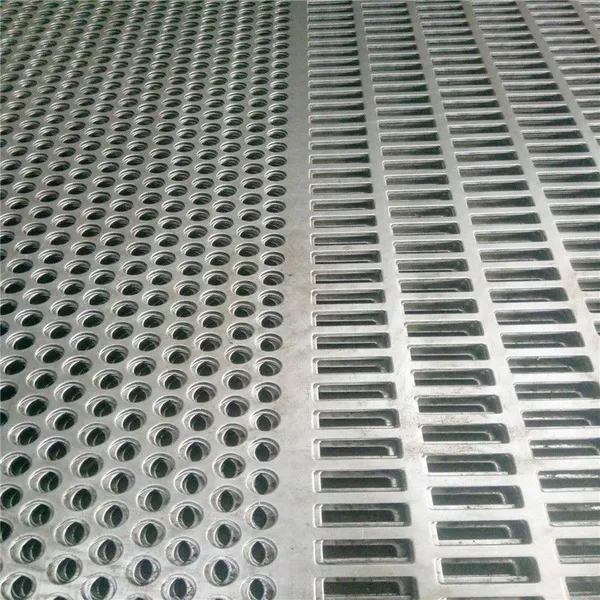
Stainless Steel Perforated Metal Mesh Round Hole Punching Mesh for IndustrialNegotiableMOQ: 500 Square Meters
-
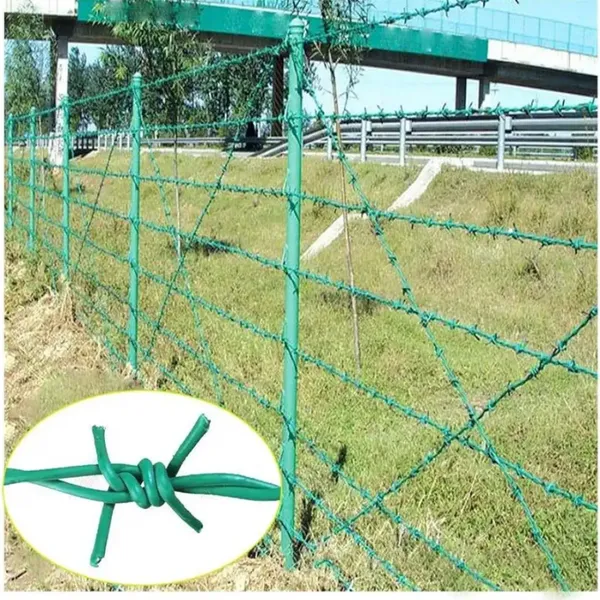
High Tensile Steel Double Twist Barbed Wire Roll for Anti-Climb Industrial and Residential SecurityNegotiableMOQ: 100 Rolls
-
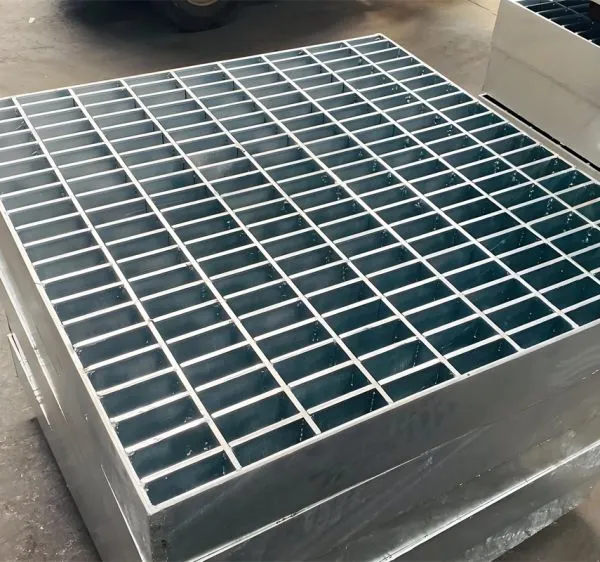
Hot Dipped Galvanized Steel Grating Anti-Rust Corrosion Resistant for Outdoor UseNegotiableMOQ: 500 Square Meters
-
Steel Barbed Wire Coil Double Twisted Galvanized With Cross Security TypeNegotiableMOQ: 500 Meters
-
Stainless Steel Wire Mesh for Oil and Gas Industry With High Temperature ResistanceNegotiableMOQ: 100 Square Meters
-
PVC Coated Double Wire Mesh Fence 0.63-3.0m Height for Industrial UseNegotiableMOQ: 500 Square Meters
-
PVC Coated Chain Link Fence 1.8m Height x 30m Roll for Perimeter ProtectionNegotiableMOQ: 100 Square Meters
-
Interlocking Canada Temporary Fence Panels With 1.5m WidthNegotiableMOQ: 100 Square Meters
-
Galvanized Chain Link Fence With Tension Bars for Enhanced StabilityNegotiableMOQ: 59 Square Meters
-
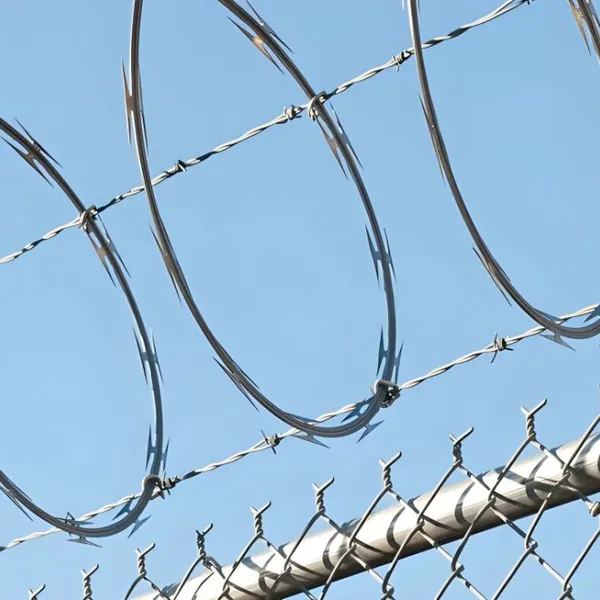
High-Security Razor Wire Barrier - 12V Electric Fence CompatibleNegotiableMOQ: 500 Meters